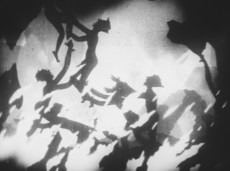
Kumo no Ito
蜘蛛の糸
Sinopsis
A short film by Oofuji Noburou.
Sobre la serie (de «Aoi Bungaku Series»)
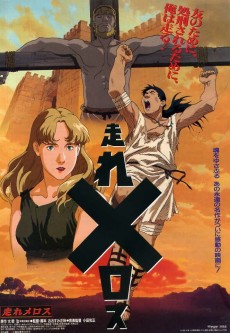
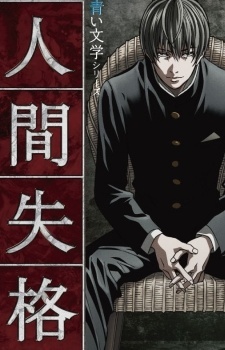
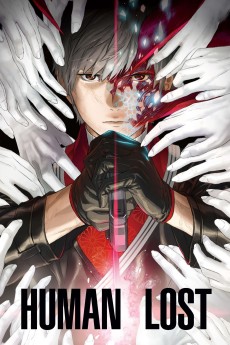
La serie consta de adaptaciones de seis clásicos modernos de la literatura japonesa: No Longer Human (Ningen Shikkaku) y Run Melos! (Hashire Melos!) de Osamu Dazai, Kokoro de Natsume Soseki, Hell Screen (Jigoku Hen) y The Spider's Thread (Kumo no Ito) de Ryunosuke Akutagawa, e In the Forest, Under Cherries in Full Bloom (Sakura no Mori no Mankai no Shita) de Ango Sakaguchi. No Longer Human (Ningen Shikkaku) - Un estudiante de secundaria se pierde y se siente alienado. Despondido y sin rumbo, cae en un ciclo de automutilación, depresión y drogas que tiñe su vida durante años. Contado en tres capítulos, cada capítulo trata un punto diferente en su vida y el capítulo final lo deja parado solo, una caricatura vacía y hueca de su yo anterior. In the Forest, Under Cherries in Full Bloom (Sakura no Mori no Mankai no Shita) - Una historia de amor entre una mujer del siglo XII y un bandido de montaña que la secuestra. Kokoro - Un cuento de 1914 del viaje de vida de un hombre joven durante la era Meiji. El trabajo trata la transición de la sociedad japonesa Meiji hacia la era moderna, explorando la amistad entre un joven y un hombre mayor que llama "Sensei". Continúa el tema del aislamiento desarrollado en obras anteriores de Soseki, aquí en el contexto de hilos entrelazados de egoísmo y culpa, a diferencia de la vergüenza. Run Melos! (Hashire Melos!) - Una retelling actualizada de un cuento clásico griego de la historia de Damon y Pythias. El tema más prominente de "Run Melos!" es la amistad inquebrantable. A pesar de enfrentar dificultades, el protagonista Melos hace su mejor esfuerzo para salvar la vida de su amigo, y al final sus esfuerzos son recompensados. The Spider's Thread (Kumo no Ito) - El Buda Shakyamuni sucede a notar a un criminal de corazón frío sufriendo en el Infierno. Pero este criminal sí realizó un único acto de bondad al no pisar una araña en un bosque. Movido por este acto desinteresado, Shakyamuni toma el hilo plateado de una araña en el Paraíso y lo baja al Infierno, pero recae en el criminal tomar la oportunidad y sacarse a sí mismo, si puede. Hell Screen (Jigoku Hen) - Un artista famoso es comisionado por un gran señor para crear una serie de pinturas que representen escenas del 'Infierno Budista'. El artista es incapaz de pintar escenas que no ha visto a sí mismo, lo que lo lleva a torturar y atormentar al personal del Señor para crear sus imágenes imaginadas del infierno. Sus esfuerzos creativos manchan el hogar, cuando la historia desciende a la locura y destrucción.
Traducción automática · Ver original en inglés
Anthology series adapting six modern classics of Japanese literature: No Longer Human (Ningen Shikkaku) by Dazai Osamu — A high school student becomes lost and alienated. Despondent and aimless, he falls into a cycle of self abuse, depression and drugs that taints his life for years. Told in three chapters, each chapter deals with a different point in his life and the final chapter leaves him standing alone — an empty and hollow caricature of his former self. In the Forest, Under Cherries in Full Bloom (Sakura no Mori no Mankai no Shita) by Sakaguchi Ango — A love story between a 12th-century woman and a mountain bandit who abducts her. Run, Melos! (Hashire, Melos!) by Dazai Osamu — An updated retelling of a classic Greek tale of the story of Damon and Pythias. Unwavering friendship is the most prominent theme of this retelling. Despite facing hardships, the protagonist Melos does his best to save his friend's life, and in the end his efforts are rewarded. Hell Screen (Jigoku Hen) by Akutagawa Ryuunosuke — A famous artist is commissioned by a great lord to create a series of paintings depicting scenes of the Buddhist Hell. The artist is unable to paint scenes that he has not seen himself, prompting him to torture and torment the Lord's staff to create his imagined images of hell. His creative efforts taint the household, as the story descends into madness and destruction. Kokoro by Natsume Souseki — A 1914 tale of a young man's life journey during the Meiji era. The work deals with the transition from the Japanese Meiji society to the modern era, by exploring the friendship between a young man and an older man he calls Sensei. It continues the theme of isolation developed in Souseki's previous works, here in the context of interwoven strands of egoism and guilt, as opposed to shame. The Spider's Thread (Kumo no Ito) by Akutagawa Ryuunosuke — The Buddha Shakyamuni chances to notice a cold-hearted criminal suffering in Hell. But this criminal did perform one single act of kindness in not stepping on a spider in a forest. Moved by this selfless act, Shakyamuni takes the silvery thread of a spider in Paradise and lowers it down into Hell, but it falls upon the criminal to seize the opportunity and pull himself out — if he can.
Relacionados (7)


Recomendaciones (6)
Película
Película
Película
1956 · Película
![]()
1952 · Película
![]()
Película